


This essay is drawn from published discussion. It cites classical Chinese books, the words of others, or academic argument, and is meant as cultural reading on the traditional cultivation of life. What it says about the body, and about what practice may do, belongs to the sources quoted or to the original speaker. It is not a medical promise or clinical advice from the people who operate this website.
What follows is Hu Xiaofei speaking in a health lecture, as arranged by Qu Siyuan. The itinerary and the attendance list are not in this essay.
What follows is Hu Xiaofei’s discussion in a health lecture. The report was originally carried by “Gaotie Shuyuan” (High-Speed Rail Academy); the author is Qu Siyuan. The lecture addresses people who work long hours, sit long, stare long, and are under mental strain. Itineraries, attendance numbers, and lists of documents in the original are not taken in here; only what can be read on its own remains. Lectures often open by leading everyone through Ba Duan Jin (Eight Pieces of Brocade), then speak of what health is, how to manage it, and what experience long-lived people have.
What Health Is
The definition Hu Xiaofei adopts is: health is not only physical well-being, but also peace of spirit and peace at the social level. It involves physiology, psychology, social psychology, morality, and harmony with society and nature—peace, without irresistible disaster. Health management must be complete; short boards must be made good.
Successful health management he lists as five: exhaust the allotted span of heaven; grow old in health; succeed in one’s work; be spoken well of by others; enjoy life.
Cook Ding’s Knife
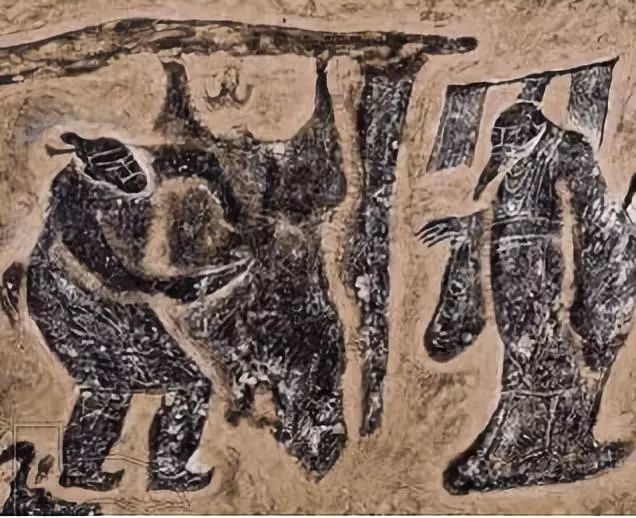
He takes as likeness the story of Cook Ding carving the ox in Zhuangzi. Cook Ding’s knife had been used nineteen years and was still as good as new, because the knife always traveled the gaps between the joints and never chopped hard at the bone. The wisdom of health management is the same: master the right method, take not injuring as the root, and make a reasonable way of life.
Ten Suggestions
- Form the idea “I will do health management.”
- Plan a scheme scientifically.
- Practice a more reasonable way of life.
- Cultivate hobbies beneficial to health.
- Attend to avoiding harm.
- Respect science; put common sense above.
- Have regular health examinations.
- Form the habit of lifelong learning.
- Love and attend to one’s proper work; keep doing the thing for a lifetime.
- Attend to enjoying the process of health management, not only staring at results.
Treating the Not-Yet-Ill
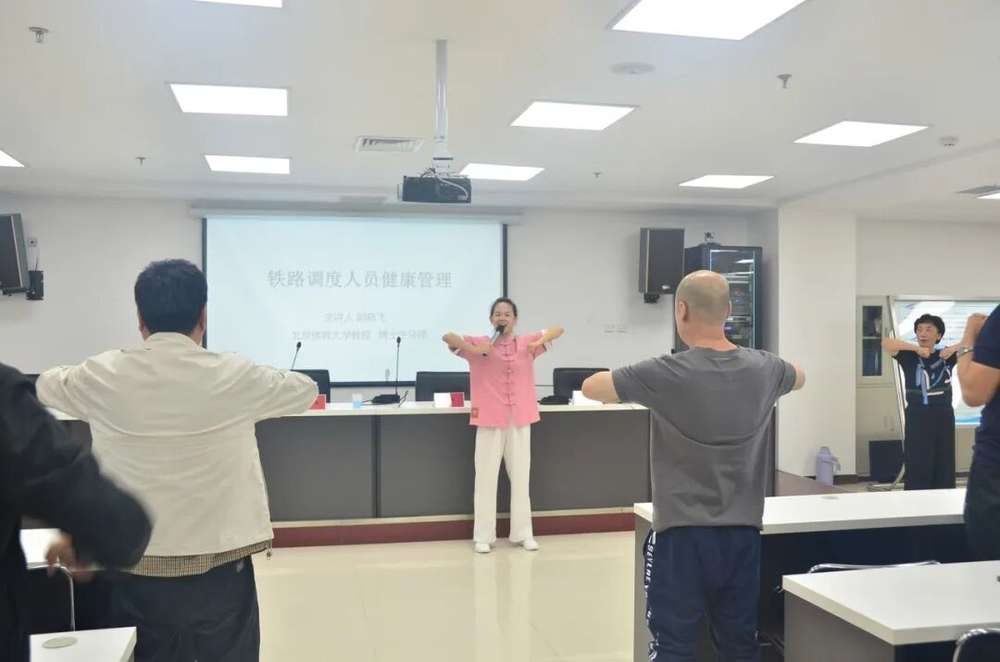
He stresses that each person is the first responsible party for one’s own health. Ideas should turn from “wait until illness comes, then treat” to “prevent before illness has arisen.” Long overload causes local overexertion injury, and zang-fu function also declines; watch especially the liver and spleen.
For work that involves long sitting, long staring, and mental strain, his approach is treating the not-yet-ill, joining the views of physical education and medicine: regulate together from body exercise, breath regulation, and spiritual guidance. In brief intervals of work, one may do “extending the limbs and regulating in reverse order” for sites that easily strain—gently opening, in the opposite direction, postures fixed for long stretches of the day. In rest time, then do regular overall practice, seeking to avoid harm, prevent injury, and actively slow occupational strain.
Self-care is here placed at the center of health management, rather than waiting until problems appear and then patching them.