

This essay is drawn from published discussion. It cites classical Chinese books, the words of others, or academic argument, and is meant as cultural reading on the traditional cultivation of life. What it says about the body, and about what practice may do, belongs to the sources quoted or to the original speaker. It is not a medical promise or clinical advice from the people who operate this website.
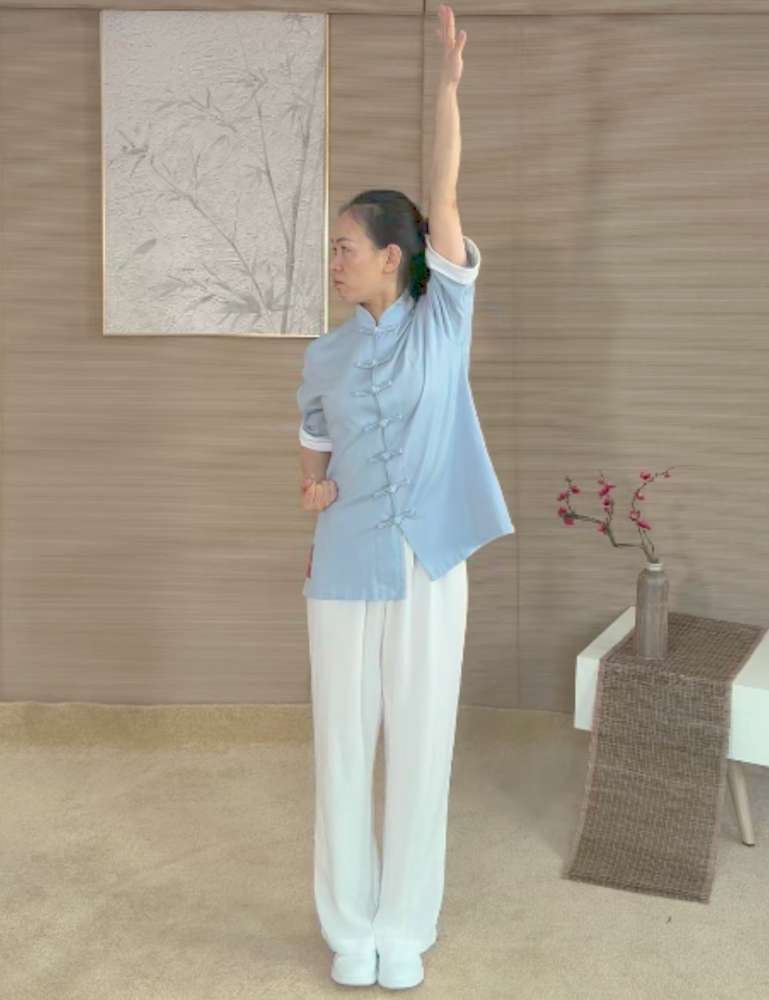
Daoyin Yangsheng Gong · San Xiao Jiu Zhi Gong (Nine Methods for the Three Wasting-Thirsts) is a key practice within Daoyin Yangsheng Gong. Zhang Guangde created it independently in the mid-1990s, on the basis of research into preventing and treating wasting-thirst by Chinese medicine. It is a meridian Daoyin moving practice. The three wasting-thirsts are a Chinese medical division of wasting-thirst; the upper, middle, and lower wasting-thirsts relate respectively to the lungs, stomach, and kidneys, and the practice takes its name from this. The original writes the aim as regulating blood sugar and raising the quality of life of people with diabetes.
Traits
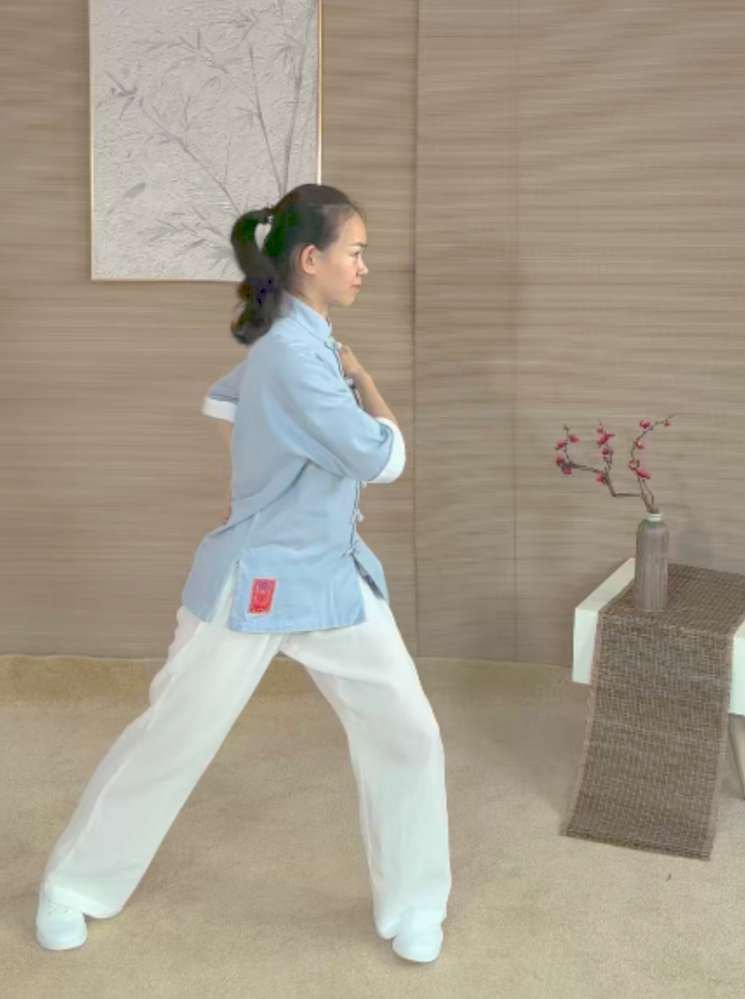
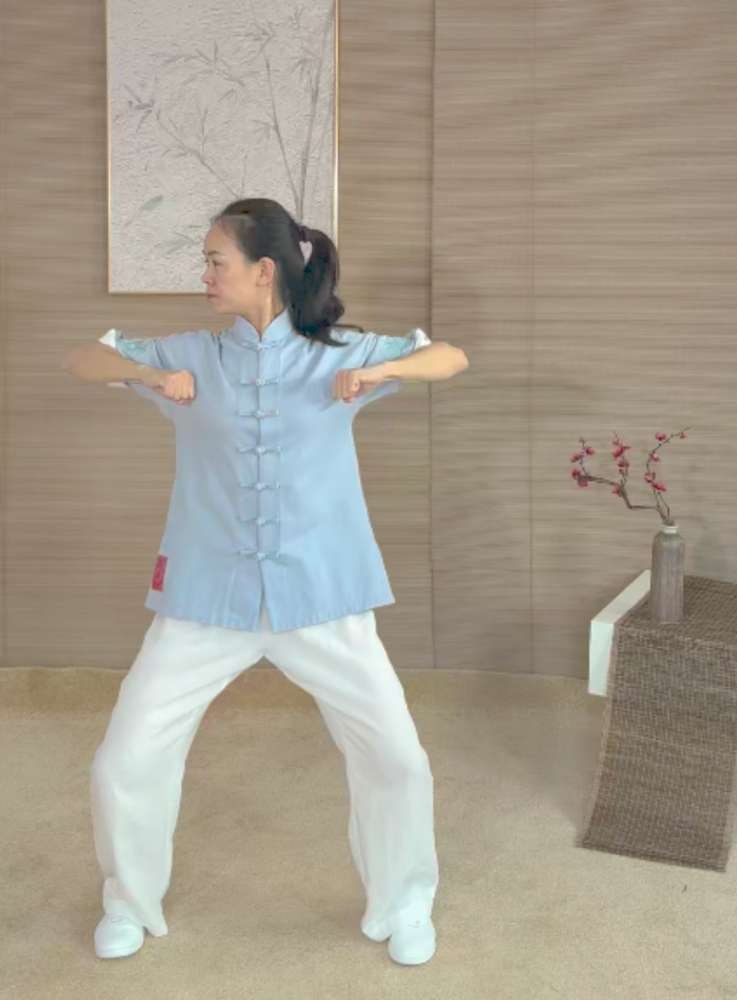
Limb Daoyin that stretches the sinews and bones. Tapping and massage fall directly on empirically effective points. Guidance by intention and by breath are joined. Attention is given to the grain path—that is, raising and loosening the anus.
Effects as Stated in the Original
Regulate the lungs, stomach, and kidneys. The original also lists: strengthen the circulation of qi and blood, helping the absorption and use of insulin; prevent and ease the symptoms of wasting-thirst; promote the body’s use of sugar; reduce the dose of oral hypoglycemic drugs; strengthen the body, reduce fat, and control weight; fortify the heart and benefit the lungs, prevent arteriosclerosis, and reduce complications; settle the mood; relieve qi stagnation, generate fluids and drain fire.
The original also records an observation: after three months of practice, four times a week, one hour each time, in changes of fasting blood glucose, glycated hemoglobin, high-density lipoprotein cholesterol, and low-density lipoprotein cholesterol, the practicing group was clearly superior to the control group. Body-mass index, triglycerides, and total cholesterol showed no significant change, but the practicing group still appeared to improve. The original does not give the title of a paper for this observation. Here it is only relayed.
On increases and decreases of medication, the original writes as it does; that does not constitute a medical promise from this website.
Whom the Original Holds May Practice
People in the prediabetic stage, people with type 2 diabetes, and people who are obese. For those who already have complications of diabetes, the original cites blindness, kidney failure, amputation, heart disease, and stroke, and holds that practice helps improve quality of life. The difficulty is not great, and it is also written as suited to strengthening the body and preventing metabolic disease.